


What’s the 21st Century ROAD to Housing Act?
In mid-July, the 21st Century ROAD to Housing Act (H.R. 6644), a landmark bipartisan housing package, passed into law in both houses of Congress. Here’s what you need to know about the bill, and how it might shape real estate transactions moving forward.
In mid-July, the 21st Century ROAD to Housing Act (H.R. 6644), a landmark bipartisan housing package, passed into law in both houses of Congress. Here’s what you need to know about the bill, and how it might shape real estate transactions moving forward.
What does H.R. 6644 Do?
This bill aims to reduce unnecessary regulatory barriers to new home construction and modernize HUD programs.
Its provisions address concerns about large investors unfairly competing with individual homebuyers, enabling community banks to more freely deploy funding for residential real estate transactions.
This bill will likely be a boost for commercial real estate, too. H.R. 6644 includes nine House Community Banking Bills, which will provide necessary relief to America’s main streets by expanding local lending for housing construction and mortgages. There are 45+ provisions that reduce unnecessary regulatory barriers to new home construction and modernize HUD programs.
Finally, the bill includes a prohibition on the issuance of a Central Bank Digital Currency (CBDC) until December 31, 2030.
Guiding Philosophy: A Fair Shot for All
Here’s what the House Financial Services Committee Chairman, French Hill, says about the bill he and many of his colleagues championed:
“Homeownership should be within reach for more Americans, and this law moves us closer to that goal. This bill reduces unnecessary barriers to building, strengthens community banks, and ensures families – not institutional investors – have a fair shot at buying a home. The final product reflects years of bipartisan, bicameral collaboration and proves that when Congress stays focused on results, we can deliver meaningful reforms.”
This package may stop or delay new construction in the build-to-rent industry, but small businesses and homeowners will likely benefit from its provisions and protections.
Buy and Sell with Confidence
Real estate law changes often, but our commitment to excellent client services doesn’t. If you’ve been waiting to buy or sell property in Tennessee or Kentucky, let our expertise put your mind at ease. We’ll ensure your real estate transactions afford you any benefits applicable by law, and get even your stickiest questions answered. Book a consultation with our Tennessee and Kentucky Title attorney today to start toward your goals.
BNT Escrow: New Name and Location!
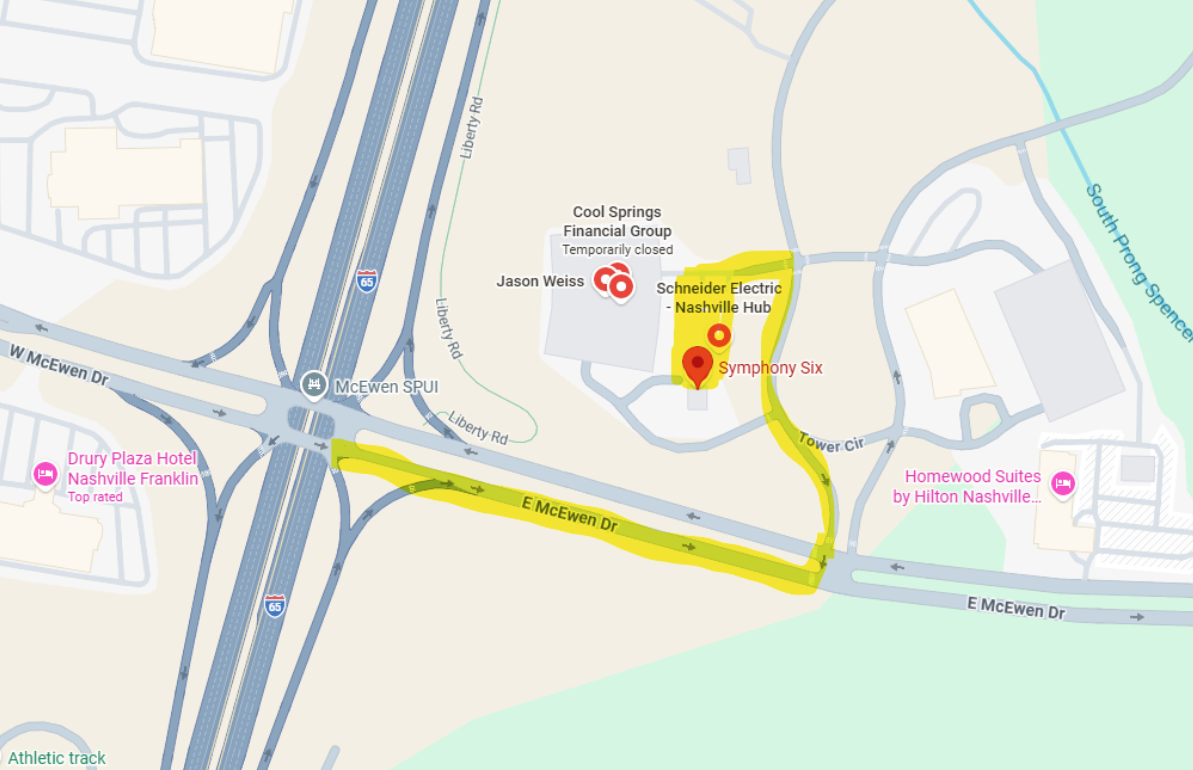
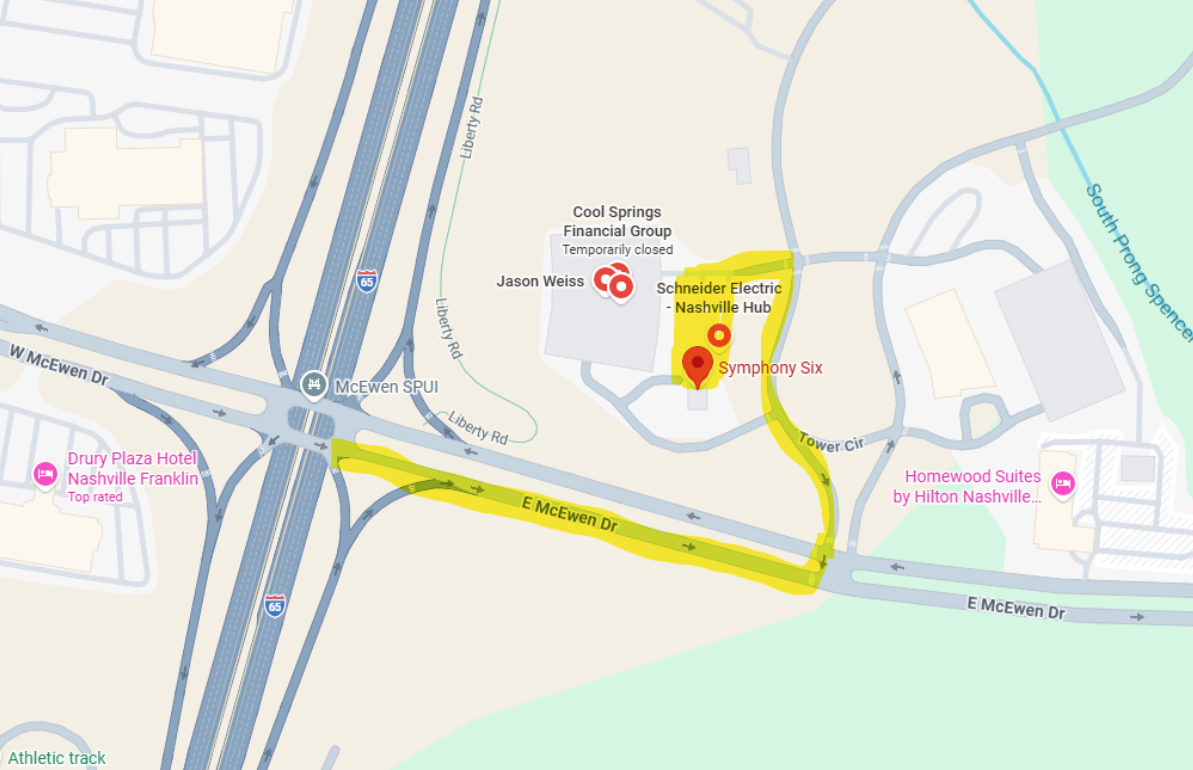
BNT is now BNT Escrow— and we’re serving our TN Title and real estate clients from a NEW location in Cool Springs. Click here to learn more and get directions to our new office.
We’ve been busy over the last few months. A lot is changing, and in our case, change is a good thing.
Blue Note Title is now BNT Escrow, and we’re moving!
Starting September 1, 2026, we’ll be serving our clients from our new location in Franklin, TN, near Cool Springs.
6700 Tower Circle, Suite 330
Franklin, TN 37067
(Inside the Symphony Six Suite)
Check out the map above for details, or click here to find us on Google Maps.
Expect the Same Stellar Service
Our name may be different, and our office may be moving, but two things aren’t changing. Our experienced team, and our stellar title, escrow, and real estate services, are still available to realtors, buyers, and sellers from across the state.
Our services (available in TN and KY) include:
Title Insurance
Closing and Escrow
Residential and Commercial Title Services
1031 Exchange Services
Refinance Closings
Don’t forget: location changes don’t have to impact results. We offer safe, secure remote notary and closing services for your convenience. We’re also committed to keeping you informed about the latest legal and regulatory changes in real estate, title law, and closings.
Let Us Know How We Can Help
We understand you may have questions during this transition, and we’re happy to help. Contact us anytime to learn more about our office, our team, and our Tennessee Title services. We look forward to continuing to help all our clients meet their real estate goals.

New TN Title-Splitting Law: Effective July 1, 2026
The only thing constant in Tennessee Title Law is change. Effective July 1, 2026, there are changes to the TN Code re: title splitting.
The only thing constant in Tennessee Title Law is change. Effective July 1, 2026, there are changes to the TN Code re: title splitting. This doesn’t affect consumers, but realtors can serve their clients with peace of mind if they understand the changes. Don’t panic. Split closings can still happen. This new law only impacts the title premiums for those closings.
What are Split Closings?
Split closings are commonplace (and still legal) in Tennessee. A “split closing” is one where the buyer and seller work with separate title companies/title attorneys. “Title splitting” or premium sharing is when the premiums for split closings are themselves split between the closing title companies facilitating the transaction.
What Does the Law Say?
The Amendment to SB 394/HB 569:
Requires two title insurance agencies that separately represent the buyer and seller in a real estate transaction that agree to an arrangement to share the title insurance premiums, commissions, or other fees paid by the buyer and seller, to:
(1) provide written notice to the buyer and seller that such fees will be shared; and
(2) obtain signed, written acknowledgement from both the buyer and the seller of the agencies' intent to share such fees.
Specifies that a title insurance agency is not required to participate in an arrangement to share the title insurance premiums, commissions, or other fees paid by the buyer and seller in a real estate transaction.
Prohibits a Seller title insurance agency from purporting that it will accept, assume, share, or guarantee a liability for losses arising under a title insurance policy that the title insurance agency did not issue.
Authorizes the settlement agency that is listed as the selected settlement agency for the purchaser or borrower in a real property transaction to act as the issuing title insurance agency, subject to any rights of approval by a mortgage lender, mortgage loan broker, or mortgage loan servicer. Specifies that this act only applies to transactions involving the purchase of or lending on the security of real property located within this state that contains between one and four residential dwelling units.
Exempts the first-time sale of new construction real property containing no less than one nor more than four residential dwelling units, or new construction condominium or single-family residences that are part of a development containing more than four residential dwelling units, or the sale of real property by auction from the authorizations above.
What’s The Impact?
Nothing really changes for buyers, sellers or realtors. This legislation only affects behind the scene working relationships between buyer and seller title agencies and attorneys.
We Keep Buyers, Sellers, and Realtors Informed
Tennessee title law has ups and downs. Keeping track of the changes, and their implications, means our expert Tennessee Title Attorneys can provide you with (and your real estate clients) with the best possible service. Whatever happens, we’ll ensure closings are streamlined, timely, and easily understood by all parties. Have questions about an upcoming real estate transaction? Book a complimentary consultation with our attorney today, and get the answers you need.

Summer Moving/Closing? You Need This Checklist
Usually, the period from contract to close lasts 30-45 days. Knowing what to expect during those weeks will help you better coordinate your moving plans. Here’s what to be prepared for.
Summer is the busiest season of the year for Title and Escrow Attorneys, especially in southern states like Tennessee and Kentucky. According to Consumer Affairs, Over 7.1 million Americans moved from one state to another in 2024. Tennessee was—and still is— a popular place. Data from multiple reports place Tennessee high on the list of most moved-to states. If you’re moving to Tennessee or Kentucky this summer, make essential closing tasks part of your moving checklist.
Summer Closing Checklist
First things first. Before you start checking-off closing to-dos, you sign the Purchase Agreement. That’s what puts the property “under contract” and specifies the terms of your real estate transaction. Price, contingencies and timeline are all set here. Usually, the period from contract to close lasts 30-45 days.
Knowing what to expect from contract to closing will help you better coordinate your moving plans.
Week One: Inspection/Deposits: After signing your contract, set up your Escrow account and hire a home inspector to ensure the property is livable and comfortable— and in the condition the seller says it is.
Week Two: Home Appraisal, Underwriting, and Title Search: The lender orders an appraisal to ensure the home's market value matches or exceeds the agreed-on purchase price. Their underwriting team reviews your financial documents to give final loan approval. Your title company completes a title search to ensure there are no outstanding liens or ownership disputes.
Be sure you’ve selected a homeowner’s insurance policy, so your mortgage financing will be complete and accurate.
Week Three/Final Week: Closing Time: At least 3 business days before closing, you’ll get the Closing Disclosure (CD) from your lender. You’ll have the final loan terms, and know your precise closing costs. The final walkthrough gets done this week, Make sure the property is in the agreed-upon condition and that all repairs have been finished.
Then it’s time for the closing appointment. You’ll sign a stack of documents (like the deed and the promissory note). If everything is as-agreed and in order, you’ll leave the appointment with a mountain of paperwork and the keys to your new home.
Don’t forget your valid ID, transfer receipt or cashier’s check (for closing costs and down payment).
Like having a hard copy of your to-dos for reference? The Consumer Financial Protection Bureau (CFPB) and American Land and Title Association have handy, printable closing checklists to help you stay on track.
What if Your Closing Gets Moved?
What happens in this case depends on the situation. But all the documentation must be updated with the new dates. There may be changes in the amount you owe at closing (or in late fees/prorated interest fees, if applicable). All parties involved should be informed of necessary changes as soon as possible to avoid legal and financial headaches on all sides. Some logistics/moving tasks that you’ll need to align with your closing date include:
Accommodations and Travel: Travel and temporary housing arrangements related to closing and move-in may need to be adjusted or extended.
Moving and Storage: If you have portable storage pods being delivered or moving trucks/companies helping you move, let them know of any changes as soon as you’re aware.
Boarding: Have pets? Make sure anyone boarding them or caring for them during this transition is in the loop on any changes.
Utilities: Check with utility companies (electric, water, internet, gas) and shift start dates as needed.
Be Flexible, Be Prepared
If you’re moving this summer, you’ve got a lot on your plate already. Work with a Kentucky and Tennessee Title Attorney who can help you stay ready for anything. Our team will keep you informed, and keep your real estate transactions on track. Buy and sell with confidence. Book a consultation with our team today.

FIRPTA, FinCEN & Cash Reporting: Don’t Make the IRS Your New Best Friend!
A FIRPTA withholding misstep, a missed FinCEN filing, or improper cash reporting… all expensive compliance headaches. Understand key players and essential requirements to cut through the complexity.
In today’s tightly-regulated real estate market, a FIRPTA withholding misstep, a missed FinCEN filing, or improper cash reporting can quickly turn a routine transaction into an expensive compliance headache. Understanding key players and essential requirements helps you cut through the complexity. Here’s what you need to know.
What (or Who) are FIRPTA and FinCEN?
Who (or what) are these acronyms referring to, and how do they impact real estate transactions?
Foreign Investment in Real Property Tax Act (FIRPTA) was enacted in 1980. FIRPTA gives foreign investors a Taxpayer Identification Number (TIN), with which they can pay taxes (or have taxes withheld) on properties they sell in the U.S. The PATH Act (passed in 2015) changed the withholding rate of FIRPTA from 10% to 15% on properties that sold for more than $1 million, among its many provisions (Source: National Association of Realtors).
The Financial Crimes Enforcement Network (FinCEN) is a division of the U.S. Treasury Department. It’s their mission to “safeguard the financial system from illicit activity, counter money laundering and the financing of terrorism, and promote national security through strategic use of financial authorities and the collection, analysis, and dissemination of financial intelligence.”
Legality = Complexity
FIRPTA and FinCEN are there to protect parties in real estate transactions from money laundering and other financial crimes. But because those crimes are complicated, the protections against them are, too. For example, cash payments over $10,000 trigger IRS reporting, and it’s got to be done right. Buyers, sellers and realtors need to know how aggregation rules work, what counts as “cash,” and how to avoid costly mistakes.
Change is Inevitable
FinCEN and FIRPTA aren’t just complicated, their rules and regulations can change dramatically in just a few months (depending on the presiding judges, and economic climate, among other things). An experienced Escrow and TItle Attorney has the up-to-the-minute knowledge you need to keep your real estate transactions smooth and legal, and the latest tools and technology to keep your data and assets protected.
If you’re a realtor, buyer, or seller wondering how FIRPTA and FinCEN may shape planned real estate transactions, BNT can help. Our Kentucky and Tennessee Title Attorney understands the real-world demands of a range of transactions and how to avoid related pitfalls, Keep your deals on track, book a consultation with our team today.

Latest FinCEN Rule Struck Down: Now What?
A few months ago, we were bracing for a new FinCEN Rule, intended to prevent and reduce money laundering. The stakes were high and the impact promised to be far-reaching. Only a month in, a federal judge has struck the rule. What now? Here’s what we know.
A few months ago, we were bracing for a new FinCEN Rule, with lots of new requirements intended to prevent and reduce money laundering. The stakes were high and the impact promised to be far-reaching. Only a month in, a federal judge has struck the rule. What now? Here’s what we know.
Why was the FinCen RRE Rule Vacated?
In a decision issued March 19, 2026, Judge Jeremy D. Kernodle (U.S. District Court for the Eastern District of Texas) ruled that the federal government’s Financial Crimes Enforcement Network (FinCEN) overstepped their legal authority with the rule and vacated it in full.
In short, the court found FinCEN exceeded its legal authority under the Bank Secrecy Act of 1970 because the rule treats an entire category of common transactions as inherently suspicious.
“FinCEN’s explanations are vague, conclusory, and unpersuasive. The fact that some bad actors have conducted non-financed real estate transactions does not make such transactions categorically ‘suspicious.’ If it did, then nearly every type of transaction would be ‘suspicious,” according to Judge Kernodle.
Though his ruling occurred in Texas, the decision applies throughout the United States.
Is It Gone Forever?
With legal decisions, there are few guarantees. Since an appeal is possible, the title & escrow industry can’t fully dismiss it. Title & escrow companies may opt to maintain their current data collection systems and practices in place. Unwinding them is time-consuming, and would leave them scrambling if FinCEN ultimately prevails and enforces the rule after appeal.
Stay Ready, No Matter What
Buying or selling residential real estate is complicated, especially with legal requirements and processes in flux. BNT uses industry-leading tools and expertise to accurately track, document, and report all residential real estate transactions so you can move forward with peace of mind.
Whether the ruling remains vacated or goes back into effect with changes and amendments, our Tennessee and Kentucky Title Attorney will be prepared. Have questions about cash real estate transactions for a property you’re buying or selling? Book a consultation with us today and move forward with confidence.

Owner's Policy vs. Lender's Policy
This month, we’re covering one of our most frequently asked Title questions: What’s the difference between an owner’s policy and a lender’s policy? Let’s get to the bottom of it.

Like all things legal, Title Insurance has a world of lingo to decode. It can be challenging to know what you need, when you need it, and why it’s important. This month, we’re covering one of our most frequently asked Title questions: What’s the difference between an owner’s policy and a lender’s policy? Let’s get to the bottom of it.
Lender’s Policy = The Lender’s Protection
A lender’s policy is usually paid for by you (or the seller). It’s almost always required by the lender for the real estate transaction to proceed, and it protects only the lender’s interests. For example, if someone sues making a claim against your home (and affecting the mortgage loan), the mortgage lender is protected from any losses by the lender’s policy. Your equity, however, would not be protected without an owner’s policy.
Owner’s Policy = Protects YOUR Investment
A title is your ownership rights to your property, and title insurance protects your investment and your property rights. While it’s not required by law or the lender to complete a real estate transaction, purchasing an owner’s title insurance policy is the best and surest way to protect your interests when buying property. You, the homebuyer, are covered as well as your trustees, inheritors, and beneficiaries.
Owner’s title insurance is the best way to protect your most important investment, and the legacy you leave your inheritors, from the most common title problems, including:
Forgery: If the seller makes a false document, for example, misrepresenting the identity of the person who signed the title, title insurance (owner’s policy) would protect you.
Fraud: If someone commits deception to achieve unfair gain, including phishing or wire fraud, an owner’s policy can protect you from catastrophic losses.
Human Error: Not all title problems are malicious, but they still cause issues. Something as simple as an unforeseeable discrepancy in the property or fence line can cause confusion in tracking the title history. If that happens, your owner’s title insurance protects your interests.
Your Protection = Our Priority
Owner’s title insurance lasts for as long as you or one of your heirs owns the property. At BNT, we want to help you protect your investment (and your legacy) for years to come. If you’re planning to buy property in Tennessee or Kentucky, our Title Attorney is here to help you get it done with peace of mind. Book your consultation today to learn how BNT keeps you protected every step of the way.

Phishing and Wire Fraud: The Latest on How to Protect Yourself
As technology gets more sophisticated, so do phishing threats for real estate transactions. Cyber-attackers are using smarter, more targeted phishing techniques to compromise email accounts and manipulate wire transfers. Here’s what to look out for.

As technology gets more sophisticated, so do phishing threats for real estate transactions. Cyberattackers are using smarter, more targeted phishing techniques to compromise email accounts and manipulate wire transfers. Our Tennessee Title Attorneys are here to help you understand these real-world attack patterns, and the actionable safeguards available to reduce risk across people, processes, and technologies.
4 New Phishing Threats to Watch For
There are several ways machine learning/AI, deepfake technology, and traditional phishing techniques are coming together to threaten safe property purchase/sale. Here are a few real estate phishing scams to be on the lookout for:
Deepfake Executive and Vendor Impersonation: In these situations, scammers send a (fake) email request pretending to be company executives seeking funds to complete an acquisition. When the employee demands in-person verification, scammers send a meeting request that appears to be through the company system. But every Board member is a deepfake AI “agent”. By the time victims realize they’ve been scammed, it can be difficult (if not impossible) to track down the culprits,
Bank Impersonation (at Scale): In this scam, bank customers receive a text or e-mail claiming a problem with their bank account. Usually they’re asked to click a link to fix the problem. The link lands on a spoof of the Bank’s real websites, but everything has been made to look like it’s coming from the real bank.
Push Payment Scams: Authorized push payment (APP) platforms (Zelle, CashApp, PayPal, and Venmo). If you receive any requests to use these tools for a real estate transaction, do not send any funds before confirming their legitimacy with the appropriate financial institutions, as well as your Title Attorney.
Third Party and Supplier Risks: “Malicious hackers target the vendor’s e-mail account and use it to send fraudulent invoices or payment instructions to banks. Because these emails appear to come from trusted partners, bank employees are more likely to act on them, resulting in large scale theft.“
Preventing Real Estate Phishing Scams
There are many ways to protect yourself, your property, and your funds from real estate phishing scams. While there will always be new threats emerging, the technology built to guard against cyberattacks is getting smarter, too. Wire fraud detection tools help you understand and assess risk associated with real estate transactions, making it easier to catch (and stop) fraudulent activity.
Stay Prepared and Protected
Falling victim to wire fraud when buying or selling real estate isn’t an outcome anyone wants. Along with the financial loss, you have to deal with multiple agencies and institutions, including bank personnel, law enforcement, and more. Doing your due diligence is more important than ever, and a Tennessee Title attorney has the tools, technology, and expertise to help.
Working with BNT means you never have to compromise on the safety and security of your funds, or your data. Have questions about how we keep you prepared and protected? Contact our team today to request a free consultation.
New FinCEN Rules and Requirements: Coming Soon
The Financial Crimes Enforcement Network (FinCEN) has updated requirements for residential real estate, effective March 1, 2026. Failure to comply is punishable by incarceration—and no one wants to go to jail. Here’s what you need to know.
The Financial Crimes Enforcement Network (FinCEN) has updated requirements for residential real estate, effective March 1, 2026. Failure to comply is punishable by incarceration—and no one wants to go to jail! Educating yourself on the changes and working with Tennessee Title Attorneys keeps your residential real estate transactions safe and legal. Here’s what you need to know, and how Blue Note TItle (BNT) can help.
Why is the Law Changing?
The March 2026 FinCEN changes are meant to prevent money laundering and other illicit activities when people pay for property in cash. According to the US Dept of the Treasury, “[We have] long recognized that the illicit use of residential real estate threatens U.S. economic and national security and can disadvantage those that seek to compete fairly in the U.S. real estate market. This reporting requirement is designed to increase transparency in the U.S. residential real estate sector and to combat and deter money laundering.”
What are the March 2026 FinCEN Changes?
The new FinCEN rule has far-reaching impact on non-financed residential real estate transactions, including:
Who Reports: The rule sets out a hierarchical list of individuals tasked with reporting. Reporting is headed by the closing or settlement agent on the closing or settlement statement unless otherwise specified in a written agreement.
What’s Covered: It covers cash purchases of residential real estate where the buyer is a trust or legal entity, transactions that involve private or seller financing, non-institutional lending, or financing secured by collateral (other than the property itself).
What’s Reportable: Residential properties or vacant land intended for 1-4 family residential use are reportable under this rule, including co-ops, condominiums, mixed-use properties, and apartment buildings.
Where It's Required: The March FinCen rule applies to qualifying transactions anywhere in the United States, including Washington, D.C., Puerto Rico and Native American lands.
What’s Exempt: Exempt transfers may include, but not be limited to, transfer of an easement, divorce or dissolution of marriage/civil union, estate bankruptcy, or U.S.court-supervised transfer.
Information Required: This is one of the most sweeping, and most critical,changes in the new rule. FinCEN has identified 178 data fields required to keep documentation compliant, including information on the property; transferee and transferor and certain beneficial owners; and source of funds, payments and reporting persons.
Nothing’s Off the Books
When potential felonies are involved, no one should be taking chances on cash transactions in residential real estate. Thorough documentation and tracking of all relevant information and responsible parties is critical for legality, stability, and successful cash purchase/sales of family homes.
Less Stress, More Clarity? We’ve Got Your Back
Laws may get more complicated, but buying or selling residential real estate doesn’t have to. BNT has the necessary tools and expertise to accurately track, document, and report FinCEN-compliant residential real estate transactions. We take care of those critical details, you check buying or selling off your list. Have questions about cash real estate transactions in Tennessee? Book a consultation with us today and move forward with confidence.
![The Christmas Closing [2025 Edition]](https://images.squarespace-cdn.com/content/v1/6565766572bf3f1fd702b499/17c54e73-28b2-4bfd-bf56-e19c5b7fb3f0/Blue-Note-Title-Christmas-Closing-2025.png)
The Christmas Closing [2025 Edition]
It doesn’t have to be a Nightmare Before Closing. Blue Note Title is always here to help. Enjoy one of our favorite poems, The Christmas Closing, revised for 2025. Merry Christmas and Happy Holidays!
“‘Twas an hour before closing and the agents were tense,
To close Christmas Eve just didn’t make sense.
But the Seller was booked on the 6 o’clock flight,
And he warned, “there WILL be a closing tonight.”
“The agents agreed because business was dead,
And visions of commission checks danced in their heads.
The loan was approved by the lender’s good grace,
Everyone knew ‘twas a borderline case.”
“The Buyers divorced, remarried again,
Divorced once more, and now were just friends.
The loan package complete to the closer was carried,
With instructions to close before they remarried.”
“The title search arrived nonetheless,
From page on through sixteen a terrible mess.
An improper legal, 3 judgments, 2 liens,
But a few lines on page seven looked pretty clean.”
“The title was cleared and the closing was set,
But to finish today was not a sure bet.
The closer dashed in waving her CDs,
It was covered with coffee and creamed peas.”
“But down in the corner you barely could see,
The Buyer still owed a buck thirty-three.
So the closer extracted a bill from her compact,
And the agents agreed to the rest…on a contract.”
“To add some interest the Seller revealed,
To everyone’s horror-the well wasn’t sealed!
And, oh yes, he wanted to change the disclosure,
His mother just died of radon exposure.”
“Everything else in his house was okay,
His cracked floors and walls were always that way!
About that time the Buyer chimed in,
“We’d like to continue, but before we begin…”
“I noticed these papers-I’m likely to blame,
But I gave my agent my wrong legal name.
And one more thing I had hoped to avoid,
Does it really matter if I’m self-employed?”
“About this time the closer exploded,
She pulled out a taser and said it was loaded.
Everyone froze and sat there amazed,
She frothed at the mouth and her eyes were both glazed.”
More rapid than eagles her curses they came,
She bristled and spouted and called them bad names.
“The closing is OFF, do I make myself clear?
Merry Christmas to all, Now GET OUT OF HERE!”
There’s no need for a nightmare before closing. Blue Note Title is always here to help. We hope you and your family and friends have a very Merry Christmas and a happy holiday season. We look forward to serving you in the new year.

Tennessee Foreclosure Law Changes: What to Know
Tennessee foreclosure laws changed effective July 1, 2025. We’ve got the latest on what’s new, and how it may affect TN real estate transactions. Local foreclosure law changes primarily affect how (and for how long) foreclosures are advertised. Let’s take a closer look at what to expect.
Tennessee foreclosure laws changed effective July 1, 2025. Here’s what’s new, and how it may affect TN real estate transactions. Local foreclosure law changes primarily affect how (and for how long) foreclosures are advertised. Let’s take a closer look
What are the Foreclosure Law Changes?
The amended Tennessee Code Annotated, § 35-5-101 changes the foreclosure process in Tennessee in a few important ways:
The requirement for advertising foreclosure sales in a local (print) newspaper has been reduced from three times to two.
Notices are now required to be posted as a continuous 20-day online advertisement by a third-party internet posting company who has been thus registered with the Secretary of State. [These companies are required to notify the Secretary of State of any changes to their website to avoid liability.]
If sales are postponed within one year, they can proceed without additional newspaper ads if rescheduled dates are announced both online and at the original location.
If postponed for more than 30 days, a notice of postponement must be mailed at least 10 days before the new date.
Why Did the Law Change?
Reducing the requirements from three notices to two is less expensive. [Some papers charge upwards of $1000 per foreclosure notice. With fewer people reading the paper, and paper circulation and printing sometimes inconsistent, the old system wasn’t serving the public as effectively, either. Bringing things into the digital age is an attempt to add value and reduce red tape for all parties involved.
Double-Check Your Documents
Of course, TN foreclosure law changes don’t magically change documents written before the new law took effect. The Tennessee Bankers’ Association, who was instrumental in getting the new legislation passed, reminds everyone to: “...[C]heck their deeds of trust carefully. Many DOTs contain specific language requiring three advertisements in a newspaper, and the new law does not override that—those notices must still be published three times.”
Less Stress, More Clarity? We’ve Got Your Back
We know foreclosures are never easy, even with more simplified laws. Blue Note Title is here to help navigate the ins and outs of foreclosure law so you can focus on moving things forward. Have questions about a foreclosure in Tennessee? Book a consultation with our team today and get the answers you need.

For Whom the Bell Tolls: Churches and Title Law
When a church or other religious organization is involved in a real estate transaction, it’s not always obvious who has the authority to execute documents. Places of worship operate under a wide variety of rules and regulations. Here’s what to consider.

In Tennessee Title Law, different kinds of property have different legal requirements. Whether we’re talking about churches, assemblies, missions, synagogues, mosques or meeting halls, church title law gets tricky.
When a church or other religious organization is involved in a real estate transaction, it’s not always obvious who has the authority to execute documents. Places of worship operate under a wide variety of rules and regulations. Some denominations have centuries of documentation about their properties. For others, documentation may be nearly non-existent.
Church Closings in TN: What the Law Says
So what does the law say, and why does it matter? According to Subsection B of Tennessee Code 48-67-102 (Provisions not applicable to religious corporations, 2023 edition):
“If religious doctrine or canon law governing the affairs of a religious corporation is inconsistent with chapters 51-68 of this title on the same subject, the religious doctrine or canon law shall control to the extent, and only to the extent, required by the constitution of the United States or the constitution of this state, or both.”
In other words, Tennessee state law gives priority to the internal rules of the religious institution concerned. If you’re planning to purchase a religious building and repurpose it, or your faith community is growing and needs a new building, successfully closing on the new property and transferring ownership requires a careful knowledge of the particular rules governing that religious institution.
Good Questions and Considerations
Here are some good questions to ask and consider ahead of a church property sale and closing:
What type of legal entity is the church?
Is it incorporated?
What is the hierarchy?
How is the church organized?
Are there bylaws, a constitution, or other governing documents?
Who controls the church (Pastor/Priest, Deacons, Elders, or the Congregation itself)?
Is there a parent or superior organization?
Is there a vote or member meeting required?
Complicated Church Closing? Work with an Expert
When you need to buy or sell a religious building for your faith community, or on behalf of your client, you don’t want anything to go wrong for these sacred spaces or the people meeting there. Blue Note Title is a team of experienced Tennessee Title Attorneys who understand the ins and outs of closings for places of worship. We’ll get your questions answered, get to the bottom of complex documents, and protect your community's investment. Schedule your free consultation today.

Title Fraud and Forgery Protection Just Got Better
Title fraud and forgery can financially devastate households and their legacies, especially without title insurance in place. As members of the American Land and Title Association (ALTA); Kentucky Land Title Association (KYLTA) and Tennessee Land and Title Association (TNLTA), the Title attorneys at Blue Note Title, LLC, keep your real estate transactions safe and protected from start to finish.
Fraud impacts all industries and markets, including real estate. The FBI’s Internet Crime Complaint Center (IC3) reported cyber-enabled crime and fraud resulted in losses of $174 million for the real estate sector in 2024. The average title insurance fraud and forgery claim costs more than $143,000. Title fraud and forgery can financially devastate households and their legacies, especially without title insurance in place.
As members of the American Land and Title Association (ALTA); Kentucky Land Title Association (KYLTA) and Tennessee Land and Title Association (TNLTA), the Title attorneys at Blue Note Title, LLC, keep your real estate transactions safe and protected from start to finish.
New ALTA Endorsements and Updates: Fraud and Forgery Protection
ALTA just announced two new policy endorsements designed to protect homeowners from seller impersonation fraud. These title insurance endorsements will allow new and existing homeowners to add coverage that offers post-policy protection against deed/mortgage forgery. Specifically, title insurers will cover potential legal costs to correct the public record if forged deeds or mortgages are recorded against a homeowner’s property.
Here are the details:
ALTA 49 Endorsement: Forgery – New Owner’s Policy – Residential
Purpose: The ALTA 49 Endorsement is designed to address the situation where the homeowner is purchasing an ALTA Owner’s Policy and would like post-policy coverage for deed or mortgage forgery, but where the ALTA Homeowner’s Policy is either not available, or is not offered to the homeowner.
ALTA 49.1 Endorsement – Forgery – Existing Residential Owner’s Title Policy (New Endorsement)
Purpose: The ALTA 49.1 Endorsement is designed to address the situation where the homeowner has previously purchased an ALTA Owner’s Policy and would like future coverage for deed or mortgage forgery.
If you’re buying or selling property in Kentucky or Tennessee, these added layers of financial protection are something you can trust. They’re regulated insurance products designed to help you protect one of your most important investments.
According to ALTA CEO Chris Morton, “These endorsements set the standards for forgery protection before and after closing, and build upon ALTA’s landmark homeowner’s policy of title insurance…With criminals harnessing advanced technology to perpetuate sophisticated seller impersonation schemes against unsuspecting homeowners, new products like the policy endorsements are needed to keep the American Dream of homeownership intact,”
ALTA Chief Strategy, Communications, and Innovation Officer Elizabeth Blosser adds, “These policy endorsements set a new bar for how to help consumers address these crimes… If purchased, they should provide peace of mind to homeowners by offering long-term protection from a risk that is both real and increasing.”
ALTA also updated its Best Practices framework to help title agents better identify new and emerging title fraud and forgery crimes. It suggests new industry standards for use of identity verification during real estate closings, including specialized staff training to detect impersonation attempts, stronger controls over notary and signing agent selection, additional verification steps for third-party professionals and defined protocols for responding to suspected fraud.
Title Experts You Can Trust
Working with Blue Note Title ensures your real estate transaction is protected to the highest industry standard. Buying or selling a home? Don’t leave something that life-changing to chance. Contact us to learn more about how we help you buy and sell real estate with confidence.
About ALTA
Founded in 1907 and headquartered in Washington, D.C., ALTA is the national trade association of title insurance agents, abstracters and underwriters. Their primary goals include:
Promoting the safe and efficient transfer of ownership of, and interest in, real property within the free enterprise system by creating forms for title policies and advocating for title protections.
Providing information and education to members; professionals and experts who regulate, supervise, or enact legislation affecting the land title industry; and the consumers they serve.
Read more about ALTA and their member organizations here.

10 Reasons You Need TItle Insurance
Title insurance protects your investment in property ownership. It offsets or covers costs incurred, especially attorney fees, to resolve ownership issues and disputes, including those from previous owners.
Title insurance isn’t required by Tennessee law, but most lenders require it for real estate transactions. It's an essential protection from property ownership pitfalls and snags. Here are the 10 most important reasons you need title insurance from a Tennessee title attorney.
10 Threats to Property Ownership
Title insurance protects you when your property ownership is contested or threatened by unforeseen circumstances, including:
Incorrect Public Records: Someone’s human error could affect your home ownership rights.
Unknown Liens: Judgments and tax liens are personal debts, but they attach to all property that you own in the county where they are recorded.
Illegal Deeds: Deeds created by a person of unsound mind, someone who has misreported their marital status, a minor, or an undocumented immigrant are not legal deeds and could impact whether the deed is enforceable and who is considered the past or current legal owner.
Missing Heirs: When missing heirs or contested wills complicate property ownership, title insurance keeps the ups and downs from derailing your transaction.
Forgeries: Forged documents sometimes make it into the public record, obscuring rightful/legal property ownership.
Undiscovered Incumbrances: At the time of purchase, you may not realize that a third party has a claim to all or part of your property. Former mortgages/liens, non-financial claims, and other issues may limit your rights to property use and ownership.
Unknown Easements: You may not know about easements allowing businesses, government agencies, or other parties full or partial access to your property at the time of purchase.
Boundary/Survey Disputes: A neighbor may have a claim on part of your property if property surveys show conflicting boundaries favoring them.
Undiscovered Will: If you purchased a property from the state (which sold it without an apparent will or heir), your rights may be jeopardized if a will is discovered later.
Owner Impersonation: Common names make it possible for someone to impersonate a property owner. If you purchased property from someone who wasn’t the true legal owner, your property rights are in jeopardy.
How Title Insurance Protects You
Title insurance protects your investment in property ownership. It offsets or covers costs incurred, especially attorney fees, to resolve ownership issues and disputes, including those from previous owners.
The Tennessee Title Attorneys at Blue Note Title understand the ins and outs of title law. If you’re buying or selling property, navigating property ownership after a death in the family, or want to protect your real estate clients, we’re here to help. Contact us today to book a consultation and discuss your property ownership questions.

Mobile Homes (Manufactured Housing): Putting the Pieces Together
Whether you’ve inherited a mobile home, or are trying to round out your real estate knowledge, there’s a lot to learn about manufactured housing. Our Tennessee title attorneys can help you better understand buying, selling, and titles for these unique properties.

Whether you’ve inherited a mobile home, or are trying to round out your real estate knowledge, there’s a lot to learn about manufactured housing. Our Tennessee title attorneys can help you better understand buying, selling, and titles for these unique properties.
Don’t let the jargon confuse you.There’s no legal distinction between a mobile home and a manufactured housing unit. If it’s manufactured off-site and brought to the property on wheels, it’s considered a manufactured or mobile home.
What’s Considered a Mobile Home?
In Tennessee, a “Manufactured Home" is any structure, transportable in one (1) or more sections, which, in the traveling mode, is eight (8) or more body-feet in width or forty (40) or more body-feet in length, or when erected on site, is three hundred twenty (320) or more square feet, and which is built on a permanent chassis and designed to be used as a dwelling with or without a permanent foundation when connected to the required utilities, and includes the plumbing, heating, air-conditioning and electrical systems contained therein.
“Manufactured Housing Units” (aka “Mobile Homes”) are always capable of being transported to the site on their own wheels, and transported on a steel chassis that is never removed. Each unit is assigned a Vehicle Identification Number (VIN) and are considered vehicles.
What Type of Property is a Mobile Home?
Depending on the circumstances, a mobile home can be considered real property (fixed, i.e. land and buildings), or personal property (any movable property someone owns).
A mobile home is typically considered real property when it’s affixed to the land on a foundation, underpinned, or connected to utilities. There also needs to be an Affidavit of Affixation recorded and the title surrendered to the State. In these cases, the land and mobile home are assessed as a single unit.
A mobile home is typically considered personal property when they’re still on wheels/not connected to utilities and are not affixed to the land.
This classification is important when determining ownership and tax responsibilities, among other considerations.
How Do I De-Title a Mobile Home in TN?
The steps to surrender a mobile home title in TN vary based on whether you’re refinancing/purchasing an existing manufactured home or purchasing a new one.

More Tips for Successful Mobile Home Transactions
Asking the right questions on the front end will make things less challenging. If you have the VIN, call the State Department of Revenue to ask if they have a record of ownership. If they say yes, and the owner name you have matches their owner of record, you’re on the right track. If the VIN is off by one digit, but you had the correct owner’s name, it is possible they could still find the record.
Doing the initial legwork pays off. Determine up front who has the title. If the lender has it, ask for a copy of the certificate of title along with the payoff statement.
After closing, you need to secure a release of any mortgages and recover the title (if it is being held by the lender).
Always ask for the title to be returned to you. Many times it is automatically sent to the seller, in which case you’ll have to track it down and recover it.
If you’re working with manufactured homes on behalf of real estate clients, make sure your fees reflect such labor-intensive projects.
Still Puzzled? We Can Help
Our experienced Tennessee title attorneys are ready to help you decipher and demystify the ins and outs of mobile home ownership and real estate transactions. Whether you’re trying to understand what to do with an inherited mobile home, or trying to advise real estate clients, we can guide you through it. Book a consultation today to get your questions answered.

Title Searching in TN? Here’s What You Need to Know
Title searching in Tennessee can feel a bit like sitting down to a complex geometry problem. Our title attorneys are here to help you triangulate your success when determining proof of ownership.

Were you a whiz at geometry? Title searching might be right up your alley.
A property title search examines public records to confirm the rightful, legal owner of a property. A title search also shows any claims or liens against that property that may affect selling or purchasing it.
Title Searching Tips
If you’re a real estate agent. an investor, or anyone looking to buy property in Tennessee, title searches are required to secure title insurance. It’s a combination of sleuthing and geometry: it shows you not just current ownership, but the proof for how it got there, legally and financially.
A successful title search starts at the Tax Assessor’s office. That’s where you find out who the most recent owner is, as of January 1.
After that, head to the Trustee’s Office so you can obtain the property tax amount and check to see if the taxes have been paid to date. Don’t forget to check for any applicable city taxes.
Then it’s time to head to the County Register’s office or use the County’s website to search in the following order:
Search the ownership through the Grantor/Grantee index which is listed alphabetically.
The mortgages will be listed alongside with the deeds. Check to confirm to see if they have been released or are still liens against the property.
Next, it’s time to check to see if any creditors have legal claims on the property. These will also be listed under their names.
Don’t forget to check for plats and restrictions on the property, so that you’re clear on any boundaries and divisions. This is done by searching the name of the subdivision.
If you have any questions while you’re at the County’s Register’s office, just ask the Deputy Registers. Note, each county has a different date that they have the historical records scanned and indexed back.
You need to check with each county to see how far they go back. If you need to know anything about the title before the starting date of each county's historical date, you’ll have to check the physical indices.
Can You DIY a Title Search?
Short answer: Yes, but you probably won’t want to as it can be a difficult and tedious process. Parts of a title search can be done online, but the process often requires an in-person search at the courthouse since most digital records don’t go back more than about 40 years. If you were good at geometry proofs in school, you may want to give it a shot.
But the DIY approach also risks missing important components, steps, and bits of information that a title attorney would know to look for. To put it another way, title searching is something you can do yourself. But you can also represent yourself in court… both are possible, but both are precarious.
Clear Title, No Tangent: Triangulate Your Success
If the geometry of real estate title searches feels overwhelming and confusing, we’ll help you get to the top of the class. Blue Note Title has the expertise to plot their course through uncharted title territory, giving you clear, actionable next steps. We survey public records with precision to locate liens, encumbrances, and ownership. With hands-on tools, sharp legal angles, and real-world experience, our rock-solid framework helps you navigate and understand title searches to keep your (or your clients’) real estate transactions perfectly congruent. Ready to get started? Contact us to set up a consultation.

Looking for a Digital Notary in TN? Here’s What to Know
Digital notary services help you simplify real estate transactions and closings. Here’s what you need to know to about digital notary requirements in Tennessee.

This map shows where you remote online notarization (RON) is legal, as of 2024.
It’s the 21st Century: electronic closings are likely to streamline real estate transactions in the years to come. It’s important notarial acts can keep up. Here’s what you need to know about digital notary services in Tennessee, and how your title attorney can help make the process easier.
Tennessee Digital Notary Services: Frequently Asked Questions
What’s the difference between e-notarization and remote online electronic notarization (RON)? An electronic notary is a virtual version of the current seal used for the recording of documents electronically. A RON is the notarial act conducted by a notary remote from the principal via electronic means.
Is e-notarization allowed in Tennessee? Yes, e-notarization is allowed in the State of Tennessee. Tennessee was the third state to approve RON closings in 2019. Our attorney, Andy Maloney, was President of the Tennessee Land Title Association which spearheaded enacting the law; and he was one of the authors.
Where can remote notarizations be performed?
As long as the notary is physically located in Tennessee, the notary can acknowledge any document signing regardless of where the signer is located.
We have conducted RON closings where the signers were located in Singapore, Italy, Ireland; and many places in the United States.
What are the technological requirements for remote notarizations? Each state that authorizes remote notarizations may establish its own technology standards and requirements. Usually, the minimum requirements for a RON are the following:
Email and Property Addresses for All Parties
Cell phone number
Computer/Tablet with a camera and internet access
Smart phone for ID purposes.
Cut Through the Complications with an Expert Team
You don’t want to take any chances when it comes to your notarization and other closing procedures. Your Tennessee Title Attorney can help you navigate the legal requirements and streamline the process without missing any essentials.
At Blue Note Title, we don’t just know the law on digital notarization, we helped write it. We’re here to help you understand how remote notarization works, and how it might help streamline your closing process. Contact us to set up a call and get clear on next steps.

What’s a 1031 Exchange? Definitions, Requirements, and Timelines
Real estate investments are a strategic way to grow and diversify your portfolio. 1031 exchanges streamline this process, through a qualified intermediary and their network. Here’s what you need to know about how to define a 1031 exchange and what’s legally required for its success.
Real estate investments are a strategic way to grow and diversify your portfolio. 1031 exchanges streamline this process, through a qualified intermediary and their network. 1031 exchanges were first authorized in 1921. Congress saw that people reinvesting in business assets benefitted economies, and they wanted to encourage more of it. There have been intermittent changes and additions to the regulations that govern 1031 exchanges, most recently in 2001. Here’s what you need to know about how to define a 1031 exchange and what’s legally required for its success.
What is a 1031 Exchange?
In a 1031 exchange, real property that’s “held for productive use in a trade or business or investment” is sold, and the sale proceeds are reinvested into a like-kind property intended for business or investment use. This allows the taxpayer, or seller, to defer the capital gains tax and depreciation recapture on the transaction. That’s why a 1031 exchange is also called a “like-kind exchange” or a “tax-deferred” exchange. The property sold as part of a 1031 exchange is the Relinquished Property. The property purchased is the Replacement Property.
The real property in a 1031 exchange must be like-kind. Investors favor these transactions for their flexibility, since most real estate is like-kind to all other real estate. For example, an office building could be exchanged for a rental duplex, or a retail shopping center could be exchanged for farmland.
1031 Exchange Eligibility Requirements
To be eligible for a 1031 exchange the person or entity must be a US tax paying identity. This includes individuals, partnerships, S-corporations, C-corporations, LLCs, and trusts. However, the same taxpayer who sells the relinquished property is required to purchase the replacement property for a valid exchange.
During a 1031 exchange, neither the taxpayer, nor an agent of the taxpayer, can receive or control the funds from the sale of the property. If a taxpayer has direct or indirect access to the funds, the 1031 exchange is no longer valid. A qualified intermediary is used to hold the proceeds of the Relinquished Property sale until it is time to transfer those proceeds for the close of the Replacement property.
Important Timelines for 1031 Exchanges
All 1031 exchanges regardless of type have a 45-day identification period and a 180-day exchange period.
For a 1031 exchange to be in accordance with IRC § 1031, the taxpayer must identify their potential replacement property(ies) in writing to the qualified intermediary within 45-days of the close of the sale of the Relinquished Property. The replacement property(ies) description(s) must be unambiguous and specific, using a physical address or legal description.
In relation to the 45-day identification period, there are rules that a taxpayer must follow when identifying their potential replacement property(ies). There are three distinct identification rules that the taxpayer can use, and they can choose the appropriate rule for their specific exchange situation. The three rules are as follows:
3-Property Rule: A taxpayer can identify up to three properties without regard to the fair market value of the properties. They must close on at least one of those identified properties for the exchange to be valid.
200% Rule: A taxpayer can identify more than three properties, but the fair market value of all properties combined cannot exceed 200% of the fair market value of the Relinquished property(ies).
95% Rule: A taxpayer can identify infinite properties, the combined value of which exceeds 200% of the value of what they sold, but they must acquire at least 95% of the fair market value of the properties they identify.
All 1031 exchanges have a 180-day time limit starting from the day of the close on the sale of the Relinquished Property. If the taxpayer has not completed the purchase of the Replacement Property before or on day 180, then the exchange is closed, and the taxpayer must recognize and pay taxes on the proceeds from their Relinquished Property sale. There are no extensions or exceptions available.
Protect Your Investment with an Expert in 1031 Exchanges
Working with a qualified intermediary who knows 1031 exchanges inside and out keeps things running smoothly and helps you stay ahead of critical deadlines. Our Blue Note Exchange clients have access to Certified Exchange Specialists and Subject Matter Experts, and in-house communication and coordination. To learn more, contact our team to schedule a consultation.

Probate and Title FAQs: What Happens to a Property When its Owner Dies?
When someone dies, their loved ones have a lot of questions. One drives more discussion—and causes more stress—than most: “What are we going to do about the house?” Your Tennessee title and probate attorney can help you sort through complex legal questions to better understand next steps.
When someone dies, their loved ones have a lot of questions. One drives more discussion—and causes more stress—than most: “What are we going to do about the house?” Your Tennessee title and probate attorney can help you sort through complex legal questions to better understand next steps.
Here are some important dates to keep in mind:
60-days. Real property cannot be transferred for at least 60 days from the date of death. This is called the “wild deed” statute. Someone has 60 days to record any deed that the Decedent may have signed to them.
120-days. Once a Will is probated, creditors will have 120 days from publication to make a claim against the Estate to collect any debt.
6-months. A bona fide purchaser for value (BFP) or an arms-length transaction, can purchase the property free of claims from any creditor.
12-months. If you do not probate a Will or open an Estate, creditors have up to a year to file a claim against a decedent and open an estate to collect. This only applies when an estate has not been opened.
First Things First: Do They Have a Will?
In Tennessee, who owns a decedent’s property after their death depends on whether a Will is in place.
If someone dies without a Will (intestate), their property passes to their heirs-at-law (their lineal blood relatives).
If they have a Will in place, property goes to the devisees of the Will (whoever they designate in their Will to receive the real property).
Navigating an estate and transfer of property ownership is never easy, but having a Will makes things a lot simpler.
If They Have a Will…
If the decedent has a legally-binding Will, It’s time to get their Will probated. Without probate, a Will isn’t worth the paper it’s printed on, and the heirs can’t legally do anything with the decedent’s property.
In Tennessee, a Will has power once it is filed and accepted by the Probate Court of the County of the residence of the decedent. Usually, the real property passes outside the probate estate and is not under the control of the Executor unless the Will specifically gives that authority to the Executor and the real property is treated as personal property.
To get a will probated, you’ll need:
Death Certificate.
TennCare Clearance
Published Notice to Creditors: Usually done by the Court, to run for 120 days.
The probate process usually takes approximately six months to a year to complete from beginning to end.
Once you know if they have the power of the Court behind the Will, you can move forward accordingly.
If They Don’t Have a Will…
If the decedent dies intestate (without a will), their heirs will need to take the following steps:
Get a Death Certificate:
Get TennCare Clearance:
Get an Affidavit of Ownership executed by an uninterested party: This is someone with no interest in the property, like a neighbor, a pastor, or a family friend
Simplify Probate and Title Matters: Work with One Attorney
When dealing with property in an estate, working with a Tennessee probate and title attorney simplifies communication and makes the path forward clearer. There’s already enough on your plate when a loved one dies. Let us handle the legal headaches so you can focus on remembering them and honoring their final wishes. To schedule a free consultation with Blue Note Title, contact us today.

Is Your Buyer in Love with a Tall and Skinny? Here’s What You Need to Know
The start of the year is the time for dreaming big. For many, that means finding (and hoping to purchase) their new home. Your Nashville real estate clients want elegance, modern amenities, and convenience, ideally situated in growing neighborhoods like East Nashville or The Nations.
The start of the year is the time for dreaming big. For many, that means finding (and hoping to purchase) their new home. Your Nashville real estate clients want elegance, modern amenities, and convenience, ideally situated in growing neighborhoods like East Nashville or The Nations.
Translation: they are in love with a Tall and Skinny, also known as Horizontal Property Regimes (HPRs). These appeal to many buyers and are full of opportunities for realtors. But even proactive buyers may not find everything they need to know in a listing. That’s where your title attorney is valuable. Here’s what you need to know to help clients make an informed decision when looking for their dream home.
Is it a PUD or a Condo?
The main difference between a HPR and a Condo is who owns the land. Homeowners own the land on which a HPR is built, while a Condo Association owns the land in the latter. You must review the Master Deed site plan and definitions. Your client needs a clear understanding of their responsibilities, and the extent of their ownership/autonomy related to the property.
What are Three Types of Elements that Make Up an HPR?
A horizontal property regime consists of three elements: private elements, limited common elements, and common elements.
Private elements are the housing unit itself.
Limited common elements are the area surrounding the Private element, usually the yard and grounds around the Private element.
Common elements are the parts of the HPR that are owned by the association and are owned jointly by all the owners of the units.
Not all HPRs will have common elements such as shared walls or shared driveways.
Each of these elements is detailed and indicated on the site plan, found in the Master Deed.
It’s very important that your Tennessee title attorney explain exactly what your client is purchasing so they fully understand their responsibilities and ownership.
One of the biggest snags involving the HPR is the fact that the Association must be incorporated; even though, there are not any common elements. The homeowner must maintain the existence of the corporation by paying an annual $20 fee to the state as it is established with the initial filing when the HPR is created.
Further, if there are common elements, there are possible property taxes that are owned by the Association. Although minimal, these taxes need to be paid by the property owners. These taxes are not included in each unit’s property taxes. Even if there are no common elements, there will still be a map and parcel assigned to it by the county assessor.
Your Expert Partner for Tall and Skinny Real Estate
Your due diligence is what helps your client land their dream home, and avoid nightmares. Working with a trusted partner will give you peace of mind. Title law is our main riff. As Nashville’s HPR experts, we’re committed to keeping you, your client, and the title protected. Contact Blue Note Title today to request a free consultation.